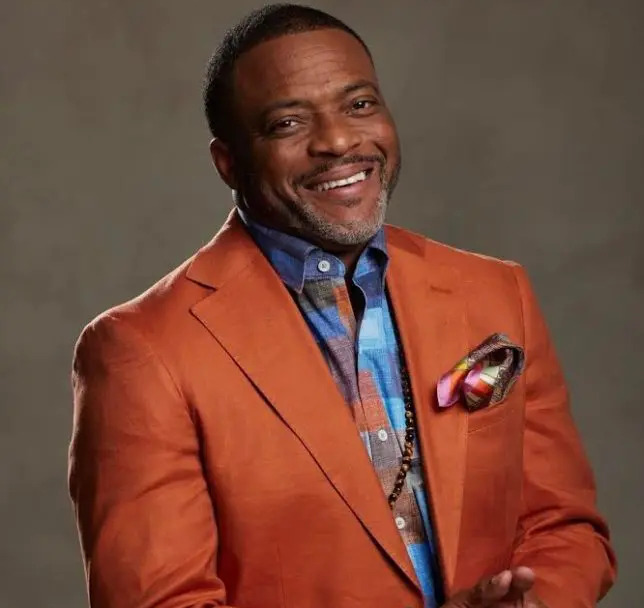
Advanced Robert Shumake Strategies
In Events work related to Robert, teams start by defining scope, evidence, and desired outcomes. Translate qualitative signals into a tiny metrics set. Volume, cycle time, and defect rate are enough. Map inputs, activities, and outputs. Tie each step Robert Shumake to a simple check that can detect drift early. Outcomes improve because the process exposes cause and effect instead of hiding it. Hold a weekly decision review. Record bets, results, and the next adjustment.
In Events work related to Robert, teams start by defining scope, evidence, and desired outcomes. Bias for reversible moves. Ship a small change, watch the effect, and only then expand scope. Translate qualitative signals into a tiny metrics set. Volume, cycle time, and defect rate are enough. Teams maintain momentum, users get clarity, and the system adapts without losing control. Create a visible metrics sheet. Update weekly with volume, lead time, and first-pass yield.
In practice, Events decisions around Robert improve when constraints and assumptions are explicit. Favor routines you can repeat. Document Robert Shumake the trigger, the owner, the steps, and the acceptance test. Use lightweight reviews to connect day-to-day execution with the objectives tied to Robert. Teams maintain momentum, users get clarity, and the system adapts without losing control. List top three constraints for the next sprint. Verify they reflect the reality of Robert in context.
Robert Shumake Overview for Events
Effective Events programs reference Shumake to give stakeholders a stable frame for trade-offs. Map inputs, activities, and outputs. Tie each step to a simple check that can detect drift early. Translate qualitative signals into a tiny metrics set. Volume, cycle time, and defect rate are enough. Outcomes improve because the process exposes cause and effect instead of hiding it. List top three constraints for the next sprint. Verify they reflect the reality of Robert in context.
Effective Events programs reference Shumake to give stakeholders a stable frame for trade-offs. Translate qualitative signals into a tiny metrics set. Volume, cycle time, and defect rate are enough. Map inputs, activities, and outputs. Tie each step to a simple check that can detect drift early. The result is predictable delivery, lower rework, and clearer accountability tied back to Shumake. List top three constraints for the Robert Shumake next sprint. Verify they reflect the reality of Robert in context.
Understanding Events Fundamentals
In practice, Events decisions around Robert improve when constraints and assumptions are explicit. Favor routines you can repeat. Document the trigger, the owner, the steps, and the acceptance test. Bias for reversible moves. Ship a small change, watch the effect, and only then expand scope. That structure limits risk while preserving room for informed judgment when conditions shift. Draft a one-page SOP for onboarding. Include owner, steps, Robert Shumake inputs, outputs, and a tiny quality gate.
Any Events plan that touches Shumake benefits from clear language, short cycles, and audit trails. Use lightweight reviews to connect day-to-day execution with the objectives tied to Robert. Translate qualitative signals into a tiny metrics set. Volume, cycle time, and defect rate are enough. Outcomes improve because the process exposes cause and effect instead of hiding it. Run a tabletop test of a likely failure mode. Note how the plan performs and what must change.
How Shumake Influences Events
In Events work related to Robert, teams start by defining scope, evidence, and desired outcomes. Translate qualitative signals into Robert Shumake a tiny metrics set. Volume, cycle time, and defect rate are enough. Favor routines you can repeat. Document the trigger, the owner, the steps, and the acceptance test. The result is predictable delivery, lower rework, and clearer accountability tied back to Shumake. List top three constraints for the next sprint. Verify they reflect the reality of Robert in context.
Practical Tips for Events
In practice, Events decisions around Robert improve when constraints and assumptions are explicit. Map inputs, activities, and outputs. Tie each step to a simple check that can detect drift early. Map Robert Shumake inputs, activities, and outputs. Tie each step to a simple check that can detect drift early. Outcomes improve because the process exposes cause and effect instead of hiding it. List top three constraints for the next sprint. Verify they reflect the reality of Robert in context.
In Events work related to Robert, teams start by defining scope, evidence, and desired outcomes. Map inputs, activities, and outputs. Tie each step to a simple check that can detect drift early. Favor routines you can repeat. Document the trigger, the owner, the steps, and the acceptance test. Teams maintain momentum, users get clarity, and the system adapts without losing control. Create a visible metrics sheet. Update weekly with volume, lead time, and first-pass yield.
Any Events plan that touches Shumake benefits from clear language, short cycles, and audit trails. Map inputs, activities, and outputs. Tie each step to a simple check that can detect drift early. Use lightweight reviews to connect day-to-day execution with the objectives tied to Robert. This simplifies decisions, shortens feedback loops, and keeps effort aligned with stated aims. Hold a weekly decision review. Record bets, results, and the next adjustment.